The Anti-Algorithm Home: How to Create a More Personal Interior
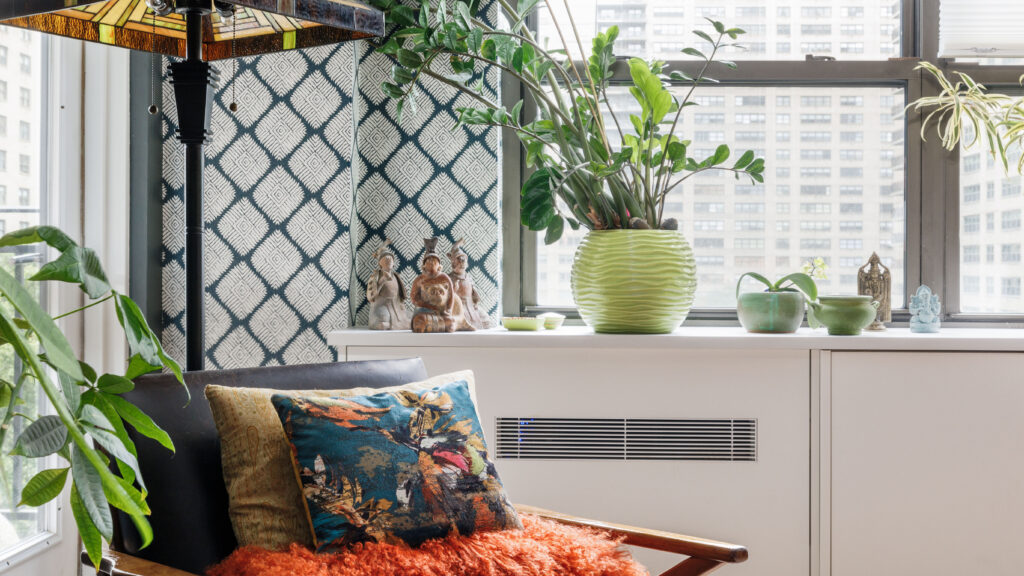
We have never had more access to beautiful interior design inspiration.
A few minutes online can produce hundreds of kitchens, living rooms, bathrooms and bedrooms to save, share and reference. Inspiration is everywhere, and platforms like Instagram and Pinterest have made it easier than ever to discover designers, materials, furniture and ideas from around the world.
But there is an interesting consequence to having so much inspiration at our fingertips: beautiful interiors can begin to look remarkably similar.
The same materials circulate. The same furniture silhouettes appear. Certain kitchens, color palettes and architectural details become instantly recognizable. An image can move from one person’s inspiration folder to another’s, eventually becoming a familiar visual language in homes far removed from the original project.
The current conversation around the “anti-algorithm” home is not really about rejecting social media or abandoning trends. It is about something more fundamental: developing an interior with enough individuality that it could not have belonged to just anyone.
That might mean mixing periods, incorporating an inherited object, choosing a material for its character rather than its popularity, or simply allowing one unexpected decision to interrupt an otherwise restrained room.
An anti-algorithm home does not have to be maximalist, eccentric or filled with objects. It can be quiet and contemporary or traditional. Even highly edited.
What makes it distinctive is that its choices feel considered rather than interchangeable.
When Beautiful Starts Looking Familiar
The democratization of design has been one of the most positive developments of the digital era. Homeowners can now discover designers and makers they may never have encountered otherwise. They can research materials, understand different architectural styles and develop a much clearer sense of what they respond to before beginning a project.
The challenge comes when inspiration becomes replication.
When the same highly circulated images become reference points for thousands of projects, certain design choices can begin to function almost like visual shorthand. A particular stone, cabinet profile, lighting fixture or furniture shape can quickly communicate that a space is current.
There is nothing inherently wrong with any of those choices. The question is what happens when being current becomes more important than being personal.
Current design reporting has begun to identify a counter-movement toward more individual interiors, with designers describing a growing interest in mixed periods, unexpected objects, unusual combinations and spaces that feel less optimized for social media. The broader conversation is less about rejecting contemporary design and more about resisting aesthetic sameness. That distinction matters.
The goal is not to create a room that looks different simply for the sake of being different. It is to create a room that has a reason for looking the way it does.
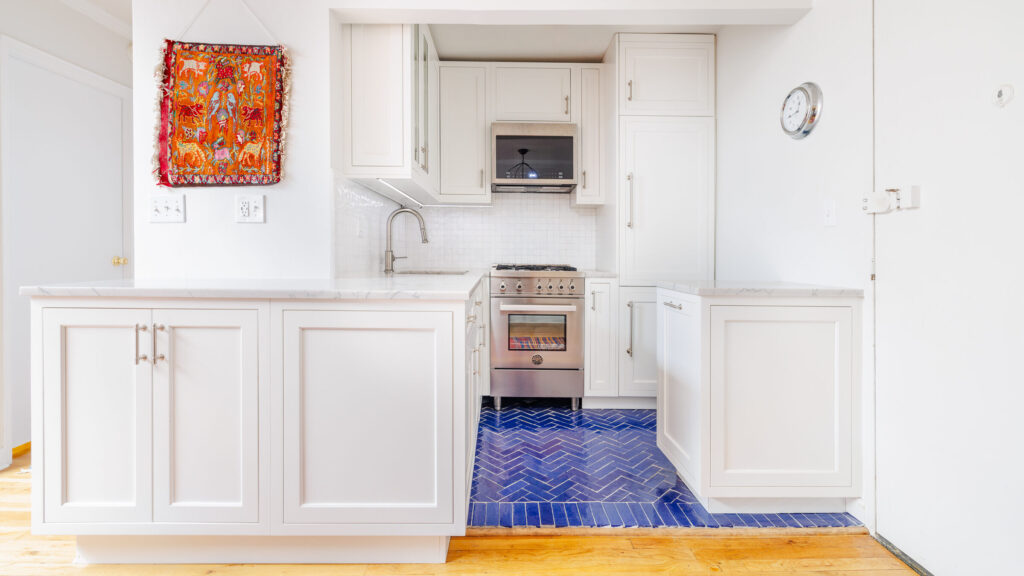
The Anti-Algorithm Home Isn’t About Being Different
The phrase “anti-algorithm” can easily be misunderstood. It does not mean that every room needs an antique, a bright color or a deliberately strange piece of furniture. It does not mean abandoning restraint or refusing to use anything that happens to be popular. A room can follow a familiar design language and still feel deeply personal.
Consider two contemporary interiors with similar architectural foundations and neutral palettes. One might feel generic because every element has been selected from the same visual vocabulary. The other might feel distinctive because it includes a painting with personal significance, an unusual vintage chair, a material connected to the architecture, or a piece of furniture that has been in the family for decades.
The difference is not necessarily dramatic. It is specificity. Personal interior design is less about choosing an unusual style than understanding what makes a particular combination of choices meaningful to the person and place.
Start With What You Already Love
When developing a design direction, inspiration does not have to come exclusively from other interiors. Look beyond the room. Look at the things you already choose without thinking about whether they are currently fashionable.
The clothes you gravitate toward. The art you return to. Restaurants or hotels that stay with you. Places you have traveled. Books you keep. Objects you have collected. Architecture you photograph. A particular period of furniture. A color that repeatedly appears in your wardrobe. These references can reveal a much more personal design vocabulary than a collection of finished rooms alone.
Someone might discover that they consistently respond to warm, aged materials rather than polished ones. Another person might be drawn to strong geometric forms. Someone else may gravitate toward deep color, while another prefers an almost entirely neutral environment but wants sculptural objects to provide visual interest. These observations can become design information.
Instead of asking, “What style do I want?”, it can be more productive to ask, “What do I consistently respond to, and why?”
Collected Is Different From Coordinated
There is a difference between a room that is coordinated and one that feels collected. Coordination creates consistency. Collected interiors create layers.
A collected home might contain contemporary furniture alongside antiques, modern artwork beside traditional architecture, or objects acquired over many years alongside pieces selected specifically for the renovation. The elements do not have to match. They need to relate.
That relationship can come through scale, proportion, color, texture or material. A nineteenth-century table might work beautifully with a contemporary sofa because their silhouettes create contrast. A vintage lamp might introduce warmth into an otherwise crisp interior. A family photograph might give a carefully composed room a personal point of reference.
The result feels less like a showroom and more like a place with a history. That is part of the appeal of collected interiors. They suggest that the room was not assembled in a single afternoon. It has developed.
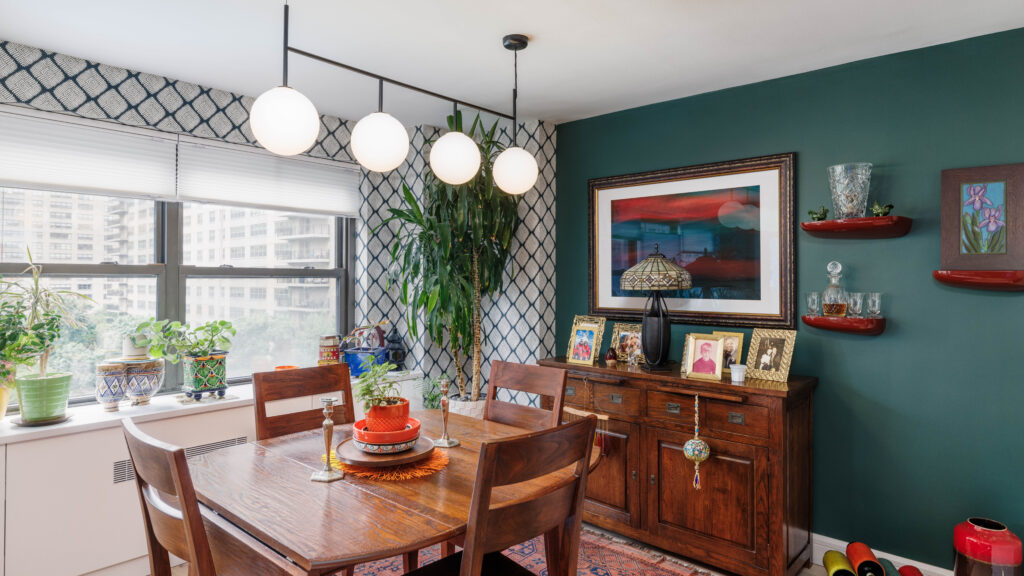
Let Different Eras Speak to Each Other
Mixing periods can be one of the simplest ways to create individuality, particularly in homes with architectural history. New construction can easily become visually uniform when every element is contemporary. Older homes can become overly literal when every new addition attempts to reproduce the past.
There is another possibility: allowing different eras to coexist. A historic apartment might retain original architectural details while introducing contemporary cabinetry and lighting. A new interior might incorporate a vintage table or antique mirror without attempting to recreate a period room. The goal is not historical accuracy or deliberate contrast for its own sake, but a conversation.
A contemporary piece can make an older architectural detail feel newly relevant. An antique can give a modern space a sense of depth. A traditional material can take on a different character when used in a contemporary proportion. This is where an interior begins to develop its own visual language rather than belonging entirely to one category.
One Unexpected Choice Can Change a Room
Individuality does not require dozens of unusual decisions. Often, one is enough.
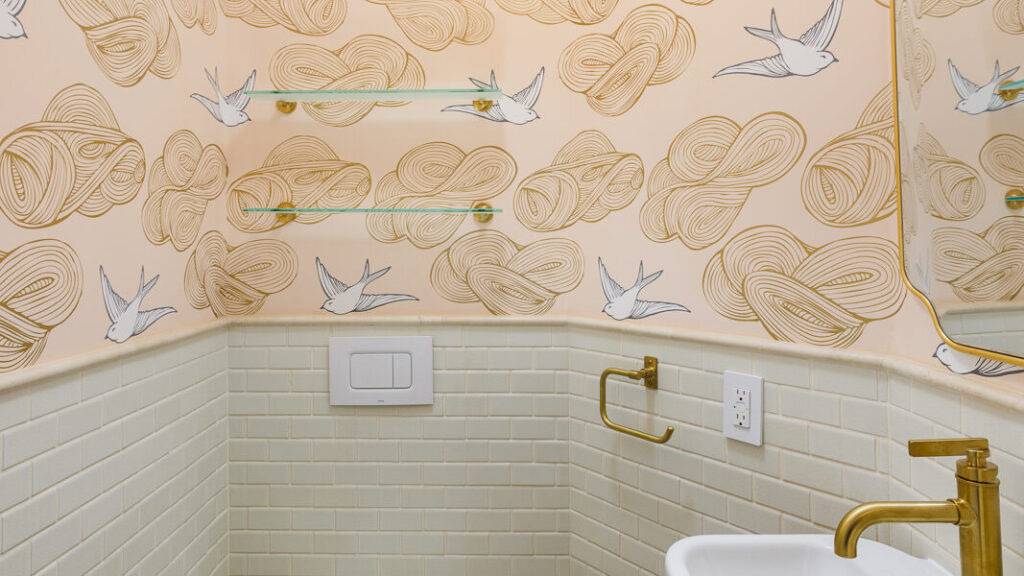
A saturated color inside an otherwise quiet palette. A sculptural light fixture. A vintage piece surrounded by contemporary furniture. A handmade tile with visible variation. A patterned textile in an otherwise restrained room. A piece of art that introduces a completely different visual reference. The unexpected element works because it creates a moment of pause. It gives the eye somewhere to go.
It can also prevent a room from feeling too resolved in the conventional sense. When every element is equally predictable, there is little tension. One unexpected choice can create enough contrast to make the rest of the composition feel more intentional. This is not about novelty., it’s about emphasis. The most successful unexpected details usually feel as though they belong once you understand the room around them.
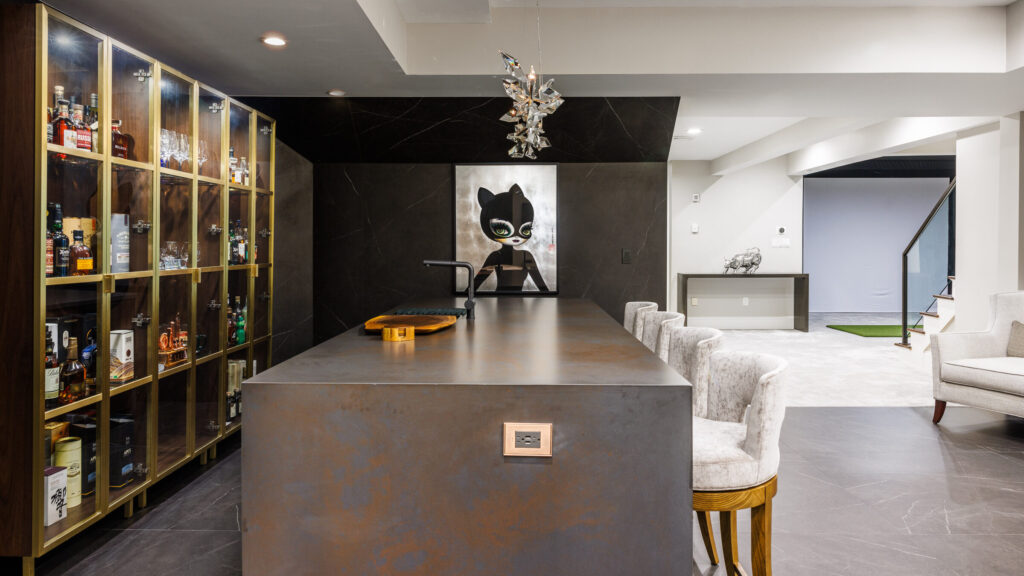
The Return of the Human Hand
There is another reason individuality is becoming increasingly important: the easier visual replication becomes, the more valuable evidence of the maker can feel.
Digital tools can reproduce an aesthetic almost instantly. AI can generate countless variations on a recognizable visual language. Mass production can make similar objects accessible across markets. Handmade work introduces something different.
A hand-applied finish has variation. A piece of furniture can reveal its construction. A hand-painted tile can contain subtle differences from one piece to another. A natural material can develop a patina that changes with time. These qualities are not valuable because imperfection is automatically better. They are valuable because they communicate process.
Current design coverage is reflecting renewed interest in craftsmanship, artisanal objects, hand-finished materials and pieces with a stronger sense of provenance. For residential interiors, this creates an opportunity to consider not only what a material looks like, but what it communicates about how it was made.
A space does not need to be filled with handmade objects to benefit from this idea. One carefully selected piece can provide a counterpoint to highly precise contemporary construction.
Personal Does Not Mean Cluttered
There is an important distinction between creating a personal home and simply adding more. An interior can contain dozens of meaningful objects and still feel carefully edited. Another can contain very little and feel intensely personal. Editing remains important. The difference is what informs the editing.
An algorithm might prioritize what is recognizable or currently performing well visually. A personal approach asks different questions.
In what way does this object matter?
How, if at all all does it contribute something?
Does it create an interesting relationship with something else?
Will it continue to feel relevant?
Does it represent something about the people who live here?
The result can still be highly refined. In fact, restraint can make individuality more powerful. When there are fewer elements, a single unusual material, object or color can carry considerably more weight.
Design for the Person, Not the Photograph
A useful test for any design decision is surprisingly simple: Would you still choose this if nobody ever photographed the room?
If the answer is yes, it is probably worth exploring. This question removes the pressure to make every decision immediately legible to an outside audience. A piece of furniture can be chosen because it is comfortable rather than instantly recognizable. A color can be used because it makes the room feel right rather than because it is currently appearing everywhere. A vintage object can remain because it carries a memory. A home is experienced differently from an image.
You move through it and touch its materials. You see it under different light and live with the objects. You’ll notice how it changes throughout the day and over the years. That is why a successful interior cannot be judged entirely through photography. The photograph captures a moment. The home develops a relationship with its occupants.
What an Anti-Algorithm Interior Can Look Like
Imagine a contemporary Manhattan apartment with a restrained architectural envelope. The millwork is clean and minimal. The palette is warm and relatively quiet. The kitchen uses natural stone and oak. On paper, it could sound familiar. But then the details begin to tell a different story.
There is a vintage Italian chair beside a contemporary sofa. A painting introduces a deep burgundy tone that appears nowhere else in the room. An inherited cabinet sits against newly fabricated millwork. A handmade ceramic light adds variation to the precise architectural lines. Books and objects collected over many years occupy the shelves.
Nothing is trying particularly hard to be unusual. The individuality comes from the combination. It would be difficult to recreate the room without recreating the life that produced it. That is the difference between a room that follows a look and one that develops a point of view.
The Designer’s Role Is Interpretation
None of this means that clients should stop bringing inspiration images to a design meeting. They are useful. A screenshot can communicate something that is difficult to articulate. It can reveal an atmosphere, material, proportion or feeling that a client may not have the vocabulary to describe.
The designer’s role is to look underneath the reference. What is actually resonating?
Is it the color?
The architecture?
The lighting?
The furniture?
The sense of age?
The relationship between materials?
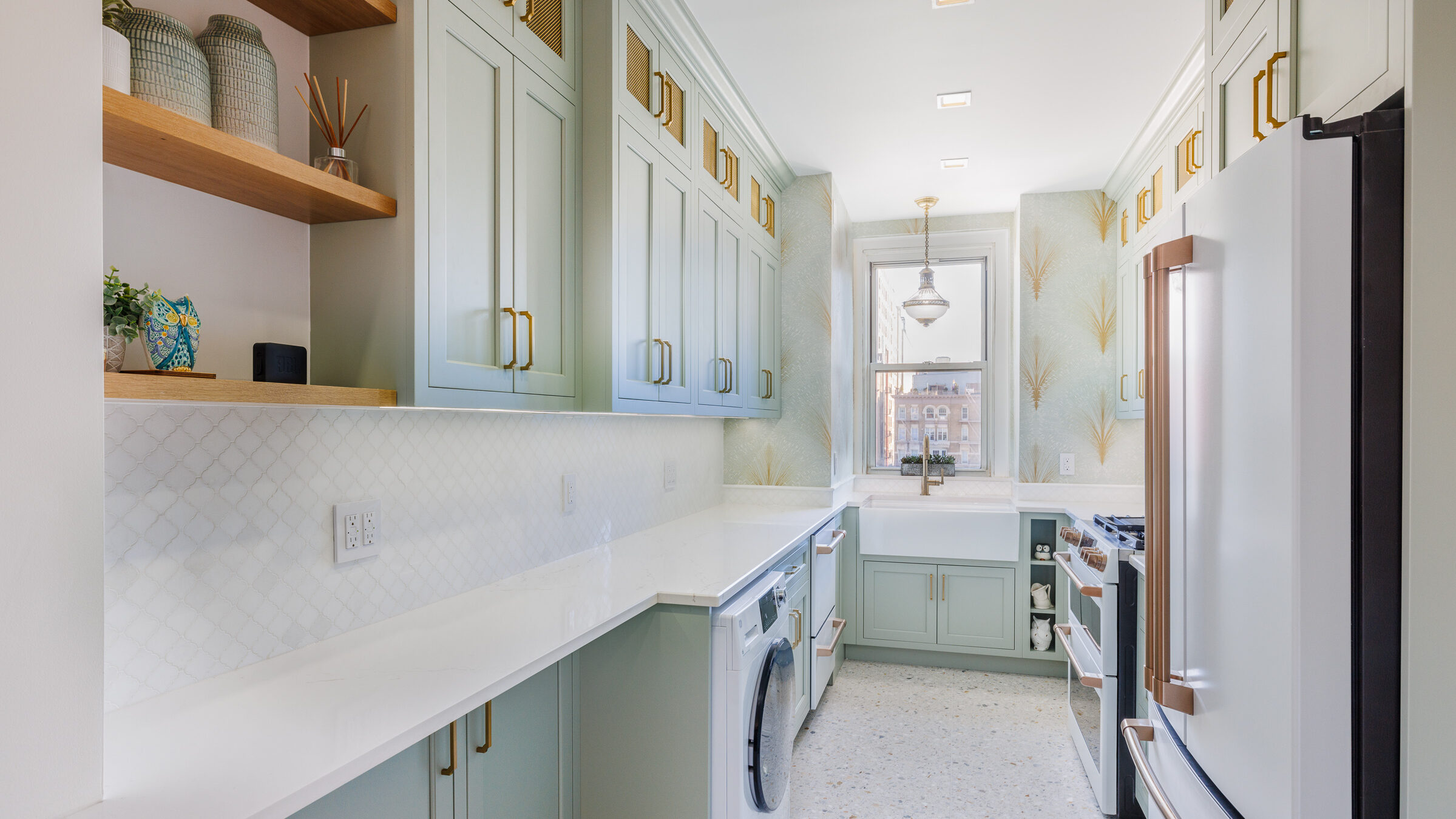
Once that is understood, the reference can be translated. This is where custom interior design becomes particularly valuable. Rather than reproducing a room, a designer can take the underlying idea and reinterpret it for a specific architecture, material palette and client. The result can retain what initially inspired the client while becoming something entirely its own. The screenshot becomes the beginning of the conversation rather than the final destination.
The Future of Personal Taste
The anti-algorithm movement is ultimately about more than interior design. It reflects a larger cultural tension between accessibility and individuality.
Technology has made it easier to discover, compare and reproduce visual ideas. That accessibility is valuable. But when everyone has access to the same references, personal judgment becomes increasingly important.
What do you actually like?
What do you want to live with?
What deserves to stay?
What has meaning?
What feels right for this particular architecture?
And what would you choose even if you knew it would never become a trend?
The answers may not produce the most immediately recognizable room. They may produce something better suited to the people who live there.
A Home Should Feel Like It Belongs Somewhere
A memorable interior does not necessarily announce its originality. It simply feels specific. The chair that came from somewhere. The artwork that means something. The material chosen because its variation was part of its appeal. The color that would never have appeared on a generic mood board. The old piece that gives a new room a sense of history. The unexpected combination that somehow makes perfect sense.
These details create an interior that cannot be separated entirely from the people and place behind it. That is the opportunity behind the anti-algorithm home. Not to reject trends, or to avoid inspiration. Not even to make every room eccentric. But to move beyond the screenshot and develop a point of view.
Because a home should reflect the people who live there.